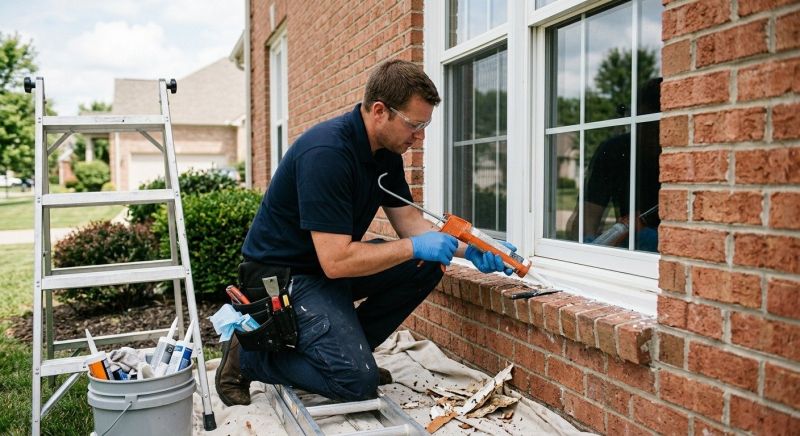
Caulking Replacement in Kansas City, KS
Caulking replacement services involve removing old, deteriorated caulk and applying fresh, durable sealing material to protect joints and gaps around windows, doors, bathtubs, sinks, and other areas. This process helps prevent water intrusion, air leaks, and the growth of mold or mildew, making it essential for maintaining the integrity and energy efficiency of a home. Property owners often request caulking replacement when they notice cracks, peeling, or gaps in existing caulk, or as part of routine maintenance to ensure that their property remains well-sealed and protected from moisture damage.
Before requesting caulking replacement, homeowners should consider the specific areas that need attention and whether the existing caulk shows signs of deterioration. It’s helpful to understand the types of caulk suitable for different surfaces and environments, as well as the importance of proper surface preparation for long-lasting results. Clarifying the scope of the project and any particular concerns about moisture or air leaks can also ensure the service addresses all relevant issues effectively.
Many property owners in Kansas City, KS look into Caulking Replacement for repairs, replacements, upgrades, and appearance-related improvements.
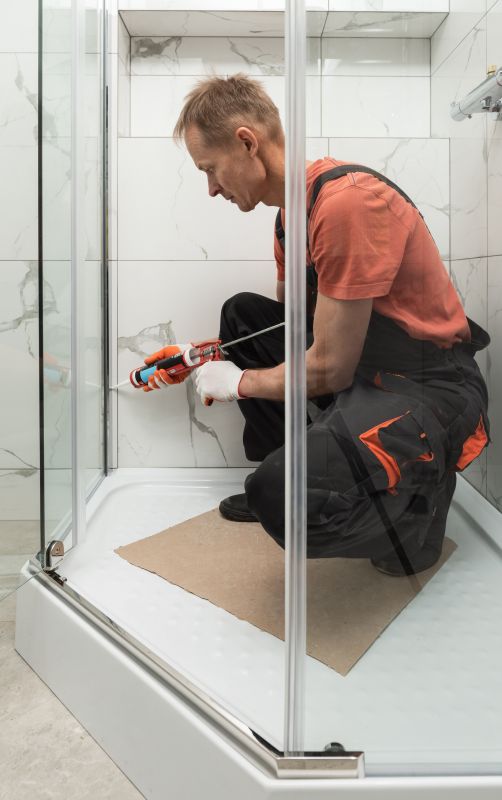
Benefits Of Caulking Replacement
Replacing old caulking helps prevent water damage and improves energy efficiency in your home.
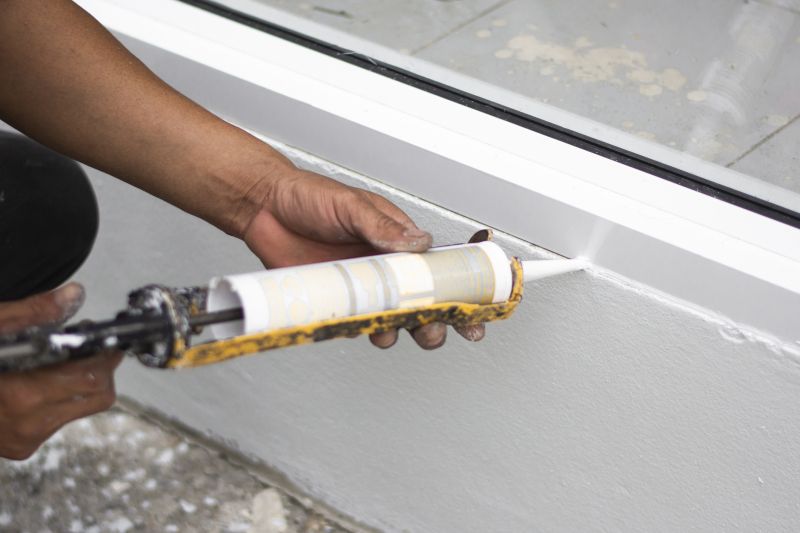
Common Areas For Caulking
Kitchen and bathroom fixtures, windows, doors, and siding are typical spots needing caulking updates.
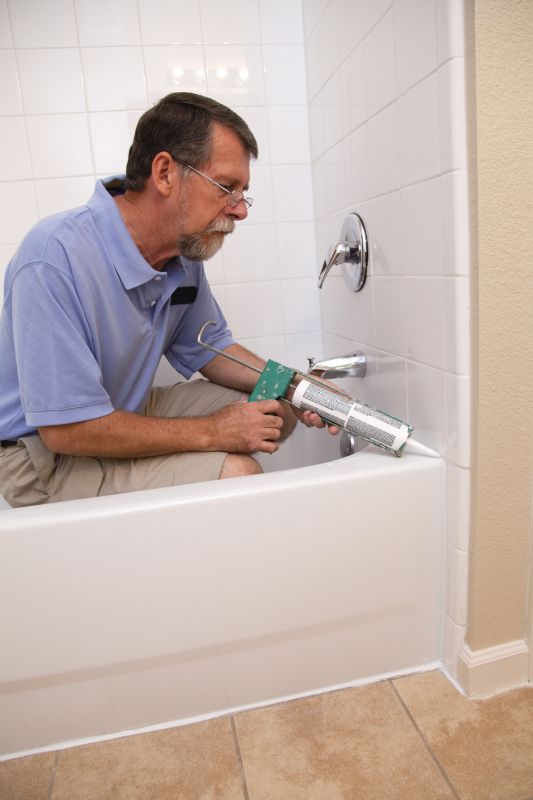
Signs You Need Caulking Service
Cracked, moldy, or missing caulk around your property indicates it’s time for a replacement.
Caulking Replacement in Kansas City, KS
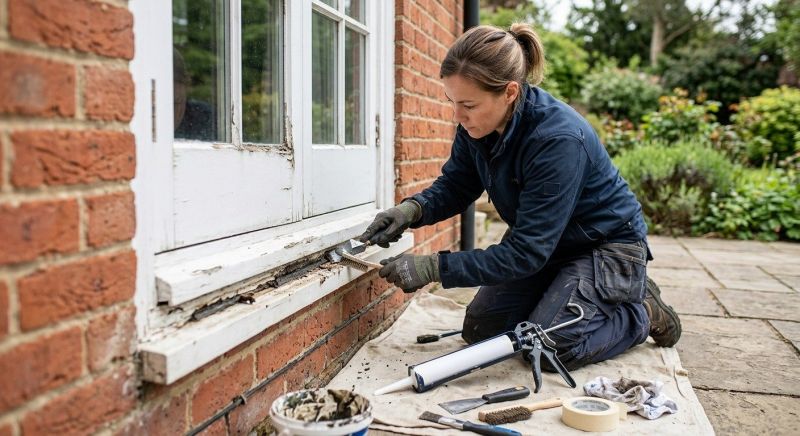
Caulking replacement services involve removing old, deteriorated caulk and applying fresh, durable sealing material to protect joints and gaps around windows, doors, bathtubs, sinks, and other areas. This process helps prevent water intrusion, air leaks, and the growth of mold or mildew, making it essential for maintaining the integrity and energy efficiency of a home. Property owners often request caulking replacement when they notice cracks, peeling, or gaps in existing caulk, or as part of routine maintenance to ensure that their property remains well-sealed and protected from moisture damage.
Before requesting caulking replacement, homeowners should consider the specific areas that need attention and whether the existing caulk shows signs of deterioration. It’s helpful to understand the types of caulk suitable for different surfaces and environments, as well as the importance of proper surface preparation for long-lasting results. Clarifying the scope of the project and any particular concerns about moisture or air leaks can also ensure the service addresses all relevant issues effectively.
Many property owners in Kansas City, KS look into Caulking Replacement for repairs, replacements, upgrades, and appearance-related improvements.
Common Caulking Replacement Jobs
Exterior window and door caulking - helps prevent drafts and water infiltration around frames.
Bathroom and kitchen sealing - maintains a watertight seal to protect against moisture damage.
Foundation and basement joints - seals gaps to reduce air leaks and improve energy efficiency.
Siding and trim caulking - fills cracks to prevent pest entry and weather-related damage.
Roof and chimney flashing - ensures a secure seal to prevent leaks and water intrusion.
Garage door and seal repairs - enhances insulation and keeps out dust, pests, and moisture.
Caulking Replacement Questions
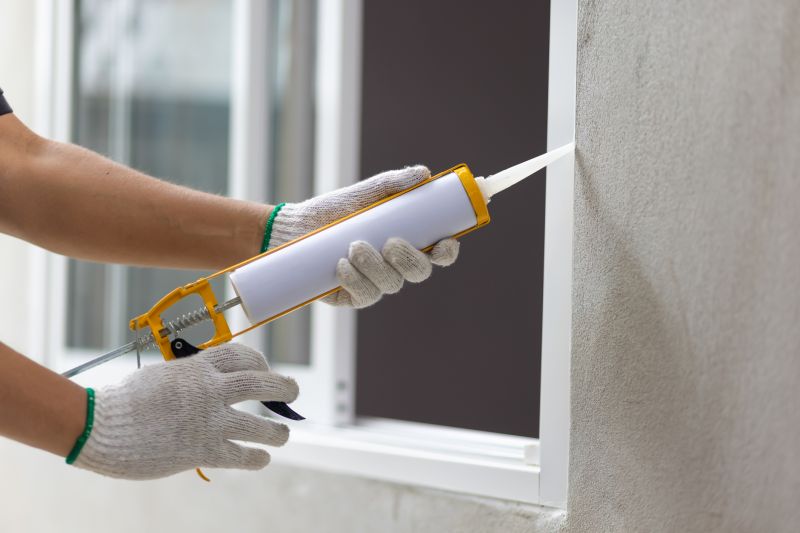
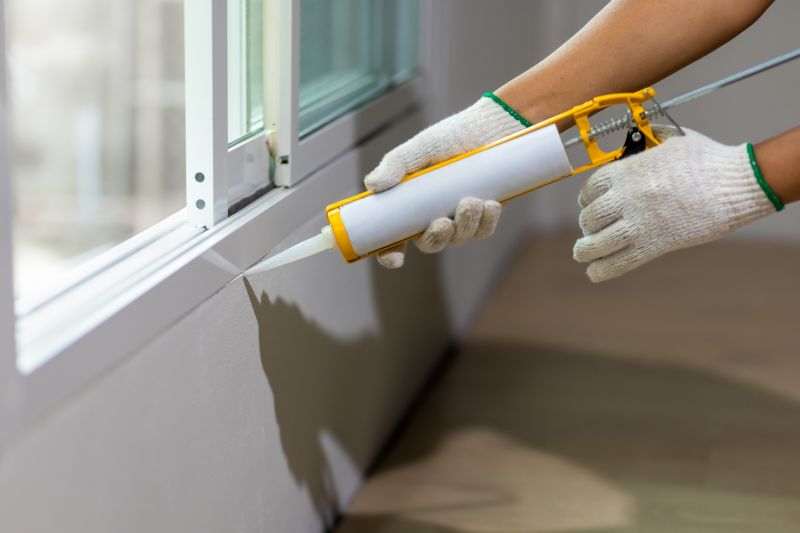
What is caulking replacement? Caulking replacement involves removing old, deteriorated caulk and applying fresh material to seal gaps around windows, doors, and other fixtures.
Why should property owners consider caulking replacement? Replacing old caulk helps prevent water leaks, drafts, and mold growth, protecting the property's interior and structure.
What areas commonly require caulking replacement? Common areas include window and door frames, bathtubs, sinks, and exterior siding joints.
How often should caulking be replaced? Caulking should typically be replaced every 5 to 10 years, or when signs of cracking, peeling, or mold appear.
Request Caulking Replacement in Kansas City, KS
Use the quote form on this page to share the basics of your project and request more information for the type of work you need.